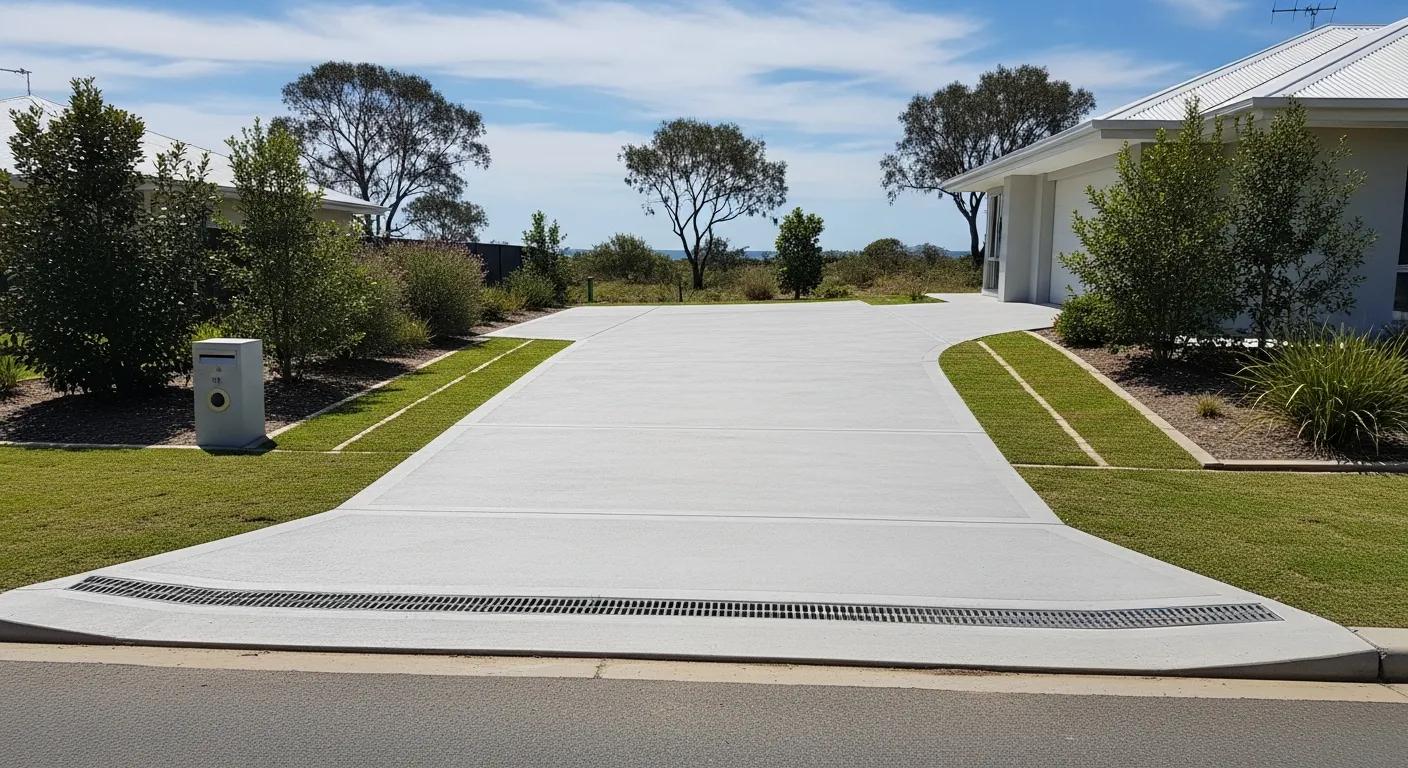

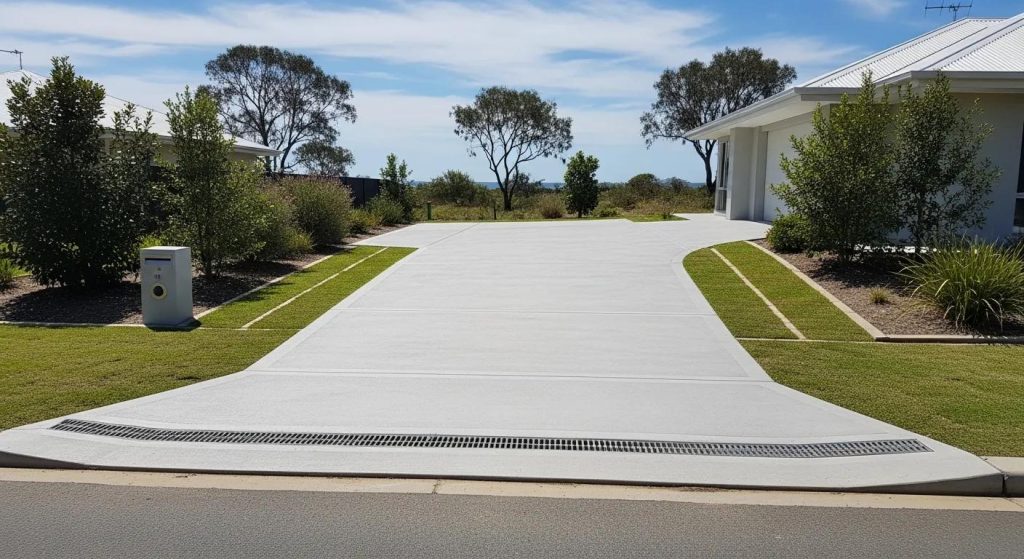
Driveways Hervey Bay: How to Get a Stronger Base, Better Drainage, and a Longer-Lasting Finish
Creating a durable and aesthetically pleasing driveway in Hervey Bay requires careful planning and execution. Homeowners often face challenges such as inadequate drainage, weak base materials, and improper finishing techniques that can lead to costly repairs. This guide will help you understand the essential steps to achieve a stronger base, effective drainage solutions, and a long-lasting concrete finish for your driveway. We will explore the best practices for driveway base preparation, drainage solutions, and finishing techniques, ensuring that your investment stands the test of time. Additionally, we will highlight the expertise of McNamara Concrete, a local contractor specialising in concrete driveway installation, to help you make informed decisions.
What Are the Best Concrete Driveway Base Preparation Techniques in Hervey Bay?
Proper base preparation is crucial for the longevity and durability of your concrete driveway. It involves several key techniques that ensure a solid foundation, which is essential for supporting the weight of vehicles and preventing cracking. The process typically includes site assessment, excavation, and compaction, followed by the installation of a suitable base layer.
Firstly, a thorough site assessment is conducted to evaluate soil conditions, drainage patterns, and any potential obstacles such as tree roots or underground utilities. This assessment informs the excavation depth and base material choice. Excavation involves removing topsoil and organic matter to reach a stable subgrade, which is then compacted using heavy machinery to eliminate air pockets and increase soil density. Proper compaction is vital to prevent future settling and cracking.
After preparing the subgrade, a base layer is installed. This layer acts as the foundation for the concrete slab, distributing loads evenly and providing drainage. The base must be levelled and compacted in layers, typically 100-200mm thick, depending on soil conditions and expected traffic loads. Each layer is compacted before the next is added to ensure maximum stability.
Which Base Materials Provide Optimal Strength and Durability?
When selecting base materials for your driveway, consider options such as crushed stone, gravel, or recycled concrete. Each material offers unique benefits:
- Crushed Stone: Provides excellent drainage and compaction, making it a popular choice for driveways. Its angular shape locks together, creating a stable and strong base that resists shifting under load.
- Gravel: Easy to work with and can be compacted to create a stable base. It is cost-effective and readily available, but may require additional binding agents or geotextile fabrics to improve stability in some soil conditions.
- Recycled Concrete: An eco-friendly option that offers good strength and durability while reducing waste. It can be crushed and graded to provide a solid base comparable to natural aggregates, often at a lower cost.
Using high-quality base materials is essential for ensuring the longevity of your driveway. It is also important to source materials that are free from excessive fines or organic matter, as these can compromise drainage and stability.
How Deep Should the Driveway Base Be for Fraser Coast Conditions?
The depth of your driveway base is critical, especially in the Fraser Coast region, where soil conditions can vary. A general guideline is to excavate to a depth of at least 150mm (6 inches) for standard residential driveways. However, for areas with poor drainage or heavy clay soils, increasing the depth to around 200mm (8 inches) may be necessary. This additional depth helps accommodate the weight of vehicles and provides better support, reducing the risk of cracking and settling.
In some cases, particularly where expansive clay soils or high water tables are present, deeper excavation and the use of geotextile fabrics or stabilising additives may be recommended. These measures help prevent soil movement and improve load-bearing capacity. Consulting with a local expert familiar with Fraser Coast soil profiles can ensure the base depth and materials are optimised for your specific site.
How Can Effective Drainage Solutions Improve Your Hervey Bay Driveway?
Effective drainage is vital for maintaining the integrity of your driveway. Poor drainage can lead to water pooling, erosion, and ultimately, structural damage. Implementing proper drainage solutions can significantly enhance the lifespan of your driveway.
What Drainage Slopes and Grading Are Recommended for Concrete Driveways?
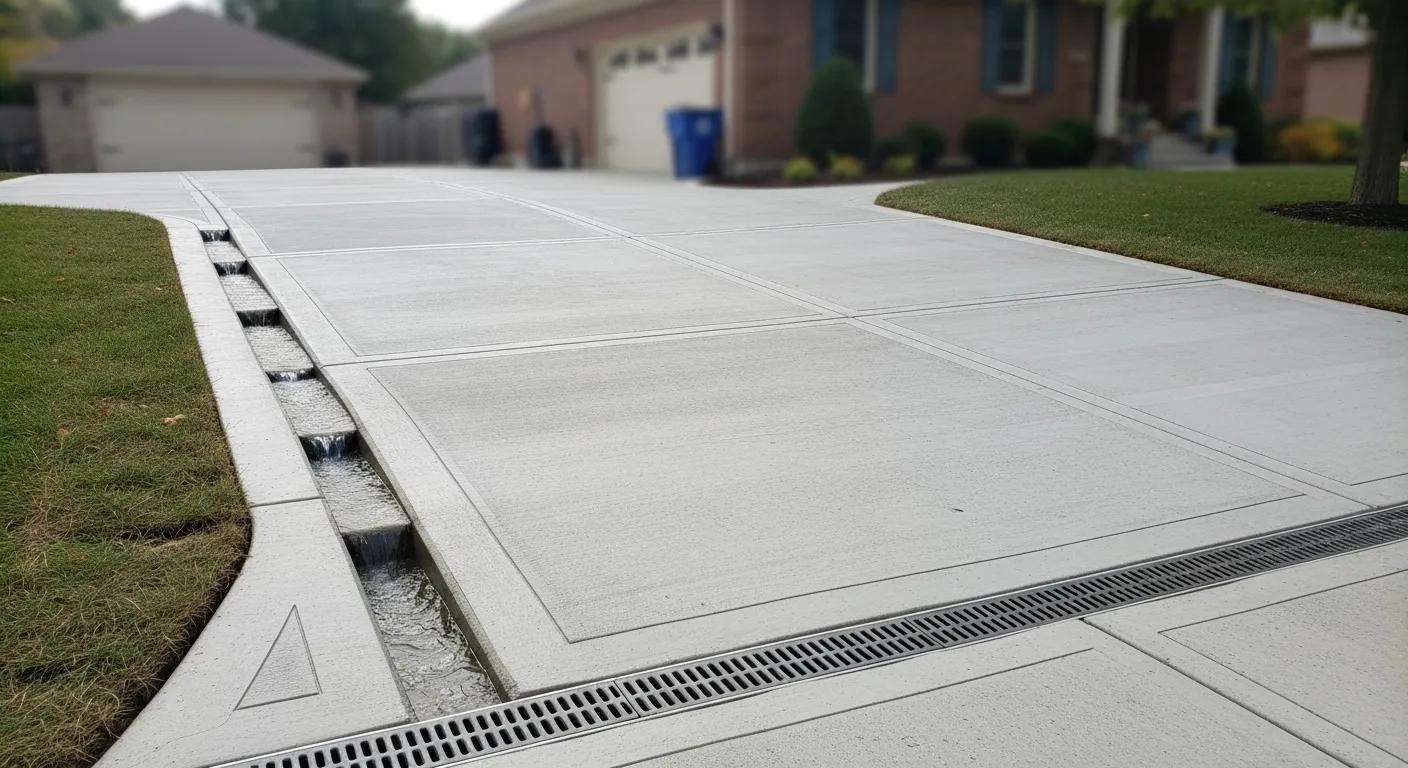
To ensure effective drainage, your driveway should be graded with a slope of at least 1-2% away from the house. This slope helps direct water runoff away from the driveway and foundation, preventing water accumulation. Additionally, incorporating drainage channels or French drains can further enhance water management, especially in areas prone to heavy rainfall.
Beyond simple slopes and channels, a comprehensive approach to drainage involves various engineering measures to manage water effectively. This includes designing the driveway and surrounding landscape to facilitate natural water flow, installing permeable surfaces where appropriate, and ensuring that downspouts and gutters direct water away from the driveway.
How Does Proper Drainage Reduce Maintenance and Prevent Cracks?
Proper drainage not only prevents water pooling but also reduces the risk of soil erosion beneath the driveway. By managing water flow effectively, you can minimise the chances of cracks forming due to shifting soil. Water that accumulates under or around the driveway can cause the soil to expand and contract, leading to uneven settling and surface cracking.
Regular maintenance, such as clearing debris from drainage systems, will also help maintain the effectiveness of your drainage solutions. This includes removing leaves, dirt, and sediment from gutters, drains, and channels to ensure unobstructed water flow. Additionally, inspecting drainage components after heavy rains can help identify and address any issues before they cause damage.
What Are the Best Concrete Finishing and Sealing Options for Longevity?
Finishing and sealing your concrete driveway are essential steps that protect it from the elements and enhance its appearance. Various techniques can be employed to achieve a durable and attractive finish.
Which Concrete Mix Types and Finishes Enhance Durability?
Choosing the right concrete mix is crucial for achieving a long-lasting driveway. Consider using a mix with a compressive strength suitable for heavy loads, typically around 25 to 35 MPa for residential driveways. The mix should also have a low water-cement ratio to reduce porosity and increase strength.
Additionally, finishing options like exposed aggregate or stamped concrete can provide both aesthetic appeal and added durability. Exposed aggregate finishes reveal the natural texture of the stones within the concrete, offering slip resistance and a decorative look. Stamped concrete mimics the appearance of brick, stone, or tile, providing a customised finish that is both attractive and durable.
Other finishing techniques include broom finishes, which create a textured surface to improve traction, and trowel finishes, which produce a smooth, polished look. The choice of finish should balance aesthetics, safety, and maintenance considerations.
What Sealing Methods Protect Against Weather and Wear in Hervey Bay?
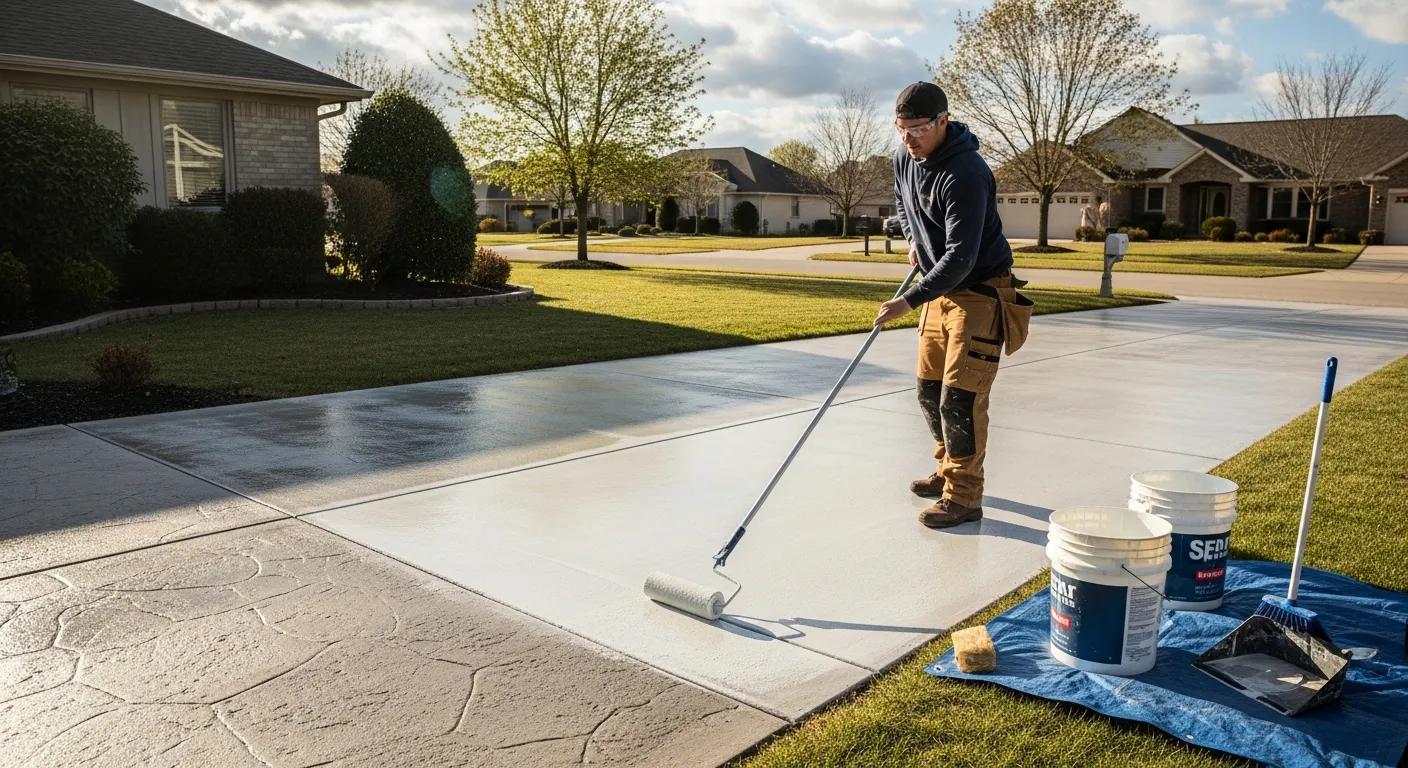
Sealing your concrete driveway is vital for protecting it from moisture, UV rays, and chemical spills. There are several sealing methods available:
- Acrylic Sealers: Provide a protective layer that enhances colour and shine. They are easy to apply and dry quickly, making them a popular choice for residential driveways. However, they may require more frequent reapplication compared to other sealers.
- Epoxy Sealers: Offer superior durability and resistance to chemicals, making them ideal for high-traffic areas. Epoxy sealers create a hard, glossy surface that resists abrasion and staining but can be more expensive and require professional application.
- Penetrating Sealers: These sealers penetrate the concrete surface, providing long-lasting protection without altering the appearance. They protect against water ingress and freeze-thaw damage while maintaining the natural look of the concrete.
Regular resealing every few years will help maintain the integrity and appearance of your driveway. The frequency depends on the sealer type, exposure to weather, and traffic levels. Proper surface preparation before sealing, such as cleaning and repairing cracks, ensures optimal adhesion and performance.
What Maintenance Tips Extend the Life of Your Concrete Driveway in Hervey Bay?
Maintaining your concrete driveway is essential for ensuring its longevity and performance. Regular upkeep can prevent minor issues from escalating into costly repairs.
How Often Should You Inspect and Repair Driveway Surfaces?
It is advisable to inspect your driveway at least once or twice a year for signs of wear, such as cracks or surface damage. Early detection allows for timely repairs that prevent water infiltration and further deterioration. Minor cracks can be filled with concrete repair products, which restore the surface and prevent debris accumulation. Larger cracks or structural issues may require professional assessment to determine if partial replacement or reinforcement is necessary.
What Are Cost-Effective Practices to Preserve Driveway Quality?
To preserve the quality of your driveway, consider the following cost-effective practices:
- Regular Cleaning: Remove debris and stains promptly to prevent damage. Use a broom or leaf blower to clear leaves and dirt, and wash the surface with mild detergent and water to remove oil or chemical stains.
- Resealing: Apply a fresh coat of sealer every few years to protect against wear. This simple step can significantly extend the life of your driveway by preventing moisture penetration and surface degradation.
- Avoid Heavy Vehicles: Limit the weight on your driveway to prevent cracking and settling. Heavy trucks or machinery can cause stress beyond the design capacity of residential driveways.
By following these maintenance tips, you can extend the life of your concrete driveway and keep it looking great for years to come. For more information on driveway solutions, contact us today.