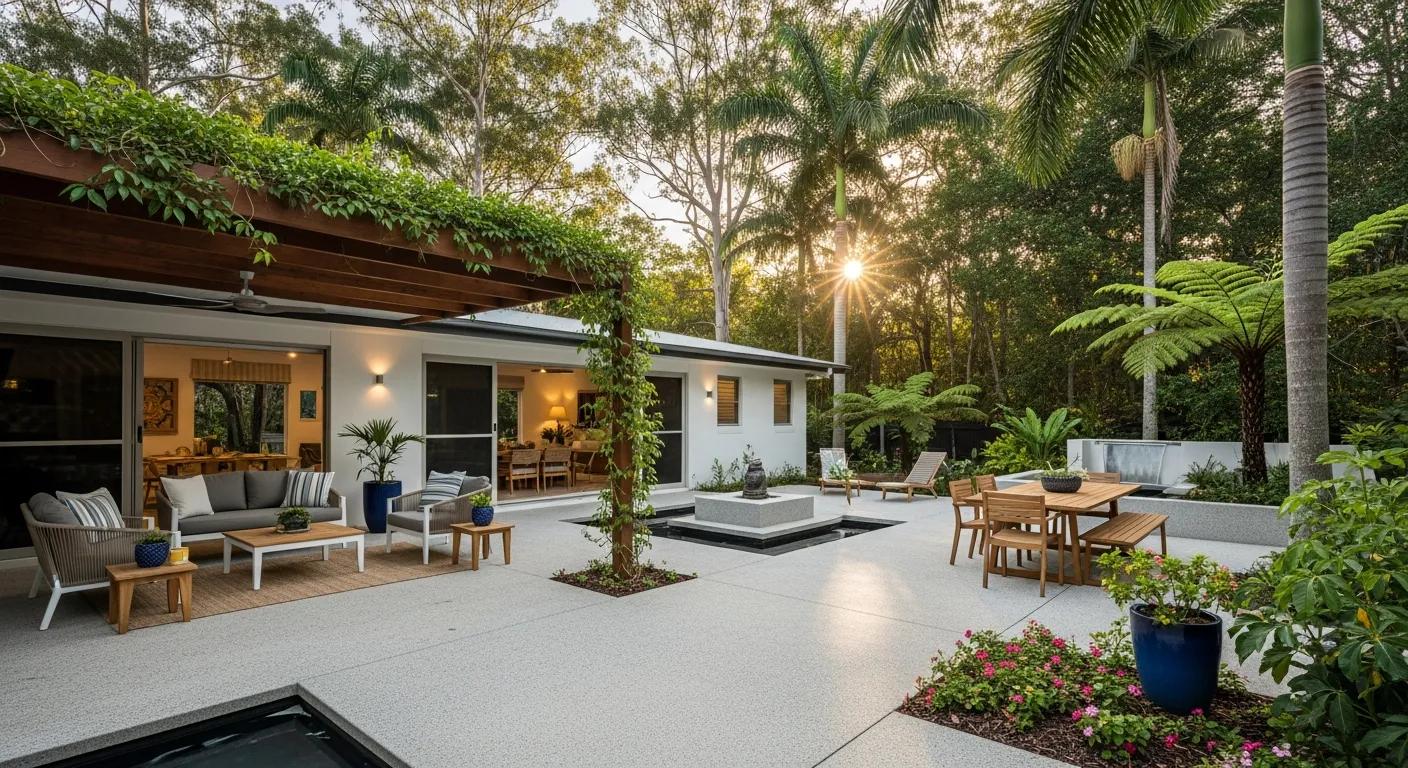

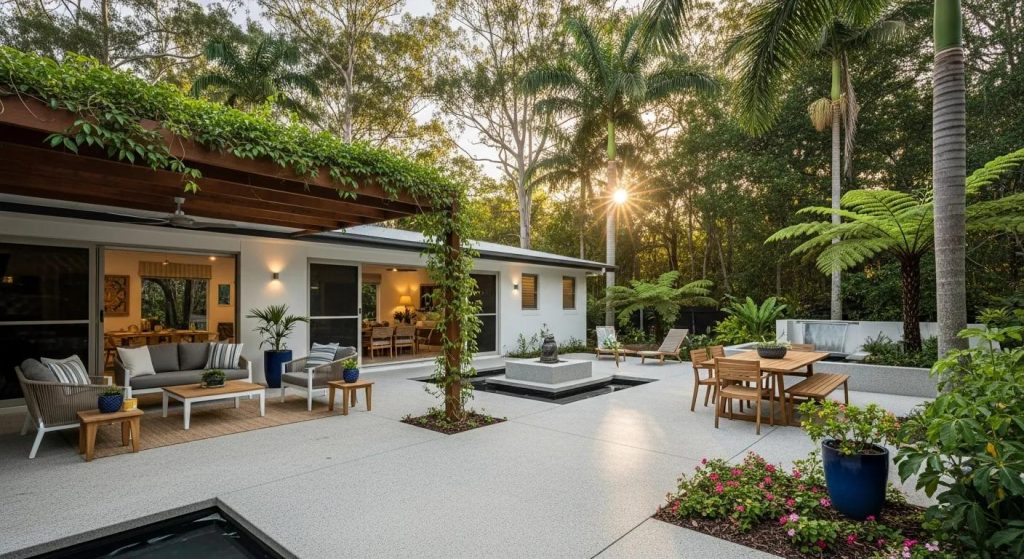
Concrete Fraser Coast: A Practical Guide to Slabs, Driveways, Patios, and Decorative Finishes
Concrete is a versatile and durable material widely used in construction, particularly in the Fraser Coast region. This guide explores various concrete applications, including slabs, driveways, patios, and decorative finishes, providing homeowners and builders with essential insights. Understanding the types of concrete and their specific uses can help in making informed decisions for residential and commercial projects. Many individuals face challenges in selecting the right concrete solutions that meet their aesthetic and functional needs. Here, we detail the key types of concrete, installation processes, general cost considerations, and popular decorative finishes. We also share practical patio ideas and maintenance tips tailored to the Fraser Coast climate.
Considering the long-term impact of construction, sustainable design principles are crucial for residential projects in regions like the Fraser Coast.
What Are the Key Types of Concrete Slabs Used in Fraser Coast?
Concrete slabs are foundational elements in construction, providing stability and support for various structures. In the Fraser Coast, several types of concrete slabs are commonly used, each designed for specific applications. These include standard slabs, reinforced slabs, and suspended slabs, which cater to different structural requirements and environmental conditions. Choosing the right type of slab is crucial for ensuring durability and performance in the long term.
Standard slabs are typically used for simple, ground-level applications such as patios, walkways, and garage floors. They are poured directly onto a prepared base and provide a solid, flat surface. These slabs are cost-effective and suitable for areas with stable soil conditions.
Reinforced slabs incorporate steel reinforcement bars or mesh within the concrete to enhance strength and resistance to cracking. This type is ideal for driveways, foundations, and areas subject to heavy loads or movement. Reinforcement helps distribute weight evenly and improves the slab’s longevity.
Suspended slabs are elevated above the ground, supported by beams or columns. They are commonly used in multi-storey buildings or where the ground conditions are unsuitable for direct slab placement. Suspended slabs require careful engineering to ensure structural integrity and are often more expensive due to their complexity.
Exploring different concrete slab systems and their environmental performance can offer valuable insights into alternative design and construction techniques. For example, insulated concrete slabs can improve energy efficiency in buildings by reducing heat loss, while permeable concrete slabs allow water to pass through, aiding in stormwater management and reducing runoff.
How Is a Concrete Slab Installed Step-by-Step?
The installation of a concrete slab involves several critical steps to ensure a solid foundation. The process begins with site inspection and planning, where the area is assessed for suitability. Next, excavation and preparation take place, which includes leveling the ground and setting forms to contain the concrete. Once the site is ready, concrete is poured and finished, ensuring a smooth surface. Finally, curing is essential to allow the concrete to gain strength and durability over time.
Here is a detailed step-by-step process for installing a concrete slab:
- Site Inspection and Planning: Assess soil conditions, drainage, and site accessibility. Determine slab dimensions and thickness based on intended use.
- Excavation and Ground Preparation: Remove topsoil and debris, then level and compact the subgrade to create a stable base. Install a layer of gravel or crushed stone to improve drainage.
- Formwork Installation: Set up wooden or metal forms around the perimeter to shape the slab and hold the concrete in place during pouring.
- Reinforcement Placement: Lay steel mesh or rebar within the forms to strengthen the slab and prevent cracking.
- Concrete Pouring: Pour the concrete mix evenly into the forms, ensuring it fills all areas without air pockets.
- Levelling and Finishing: Use screeds and trowels to level the surface and create the desired finish, whether smooth, broomed, or textured.
- Curing: Allow the concrete to cure properly by keeping it moist and protected from extreme temperatures for at least 7 days. This process ensures maximum strength and durability.
Following these steps carefully will result in a durable and long-lasting concrete slab suitable for various applications in the Fraser Coast region.
How Much Does Driveway Concrete Cost in Fraser Coast?
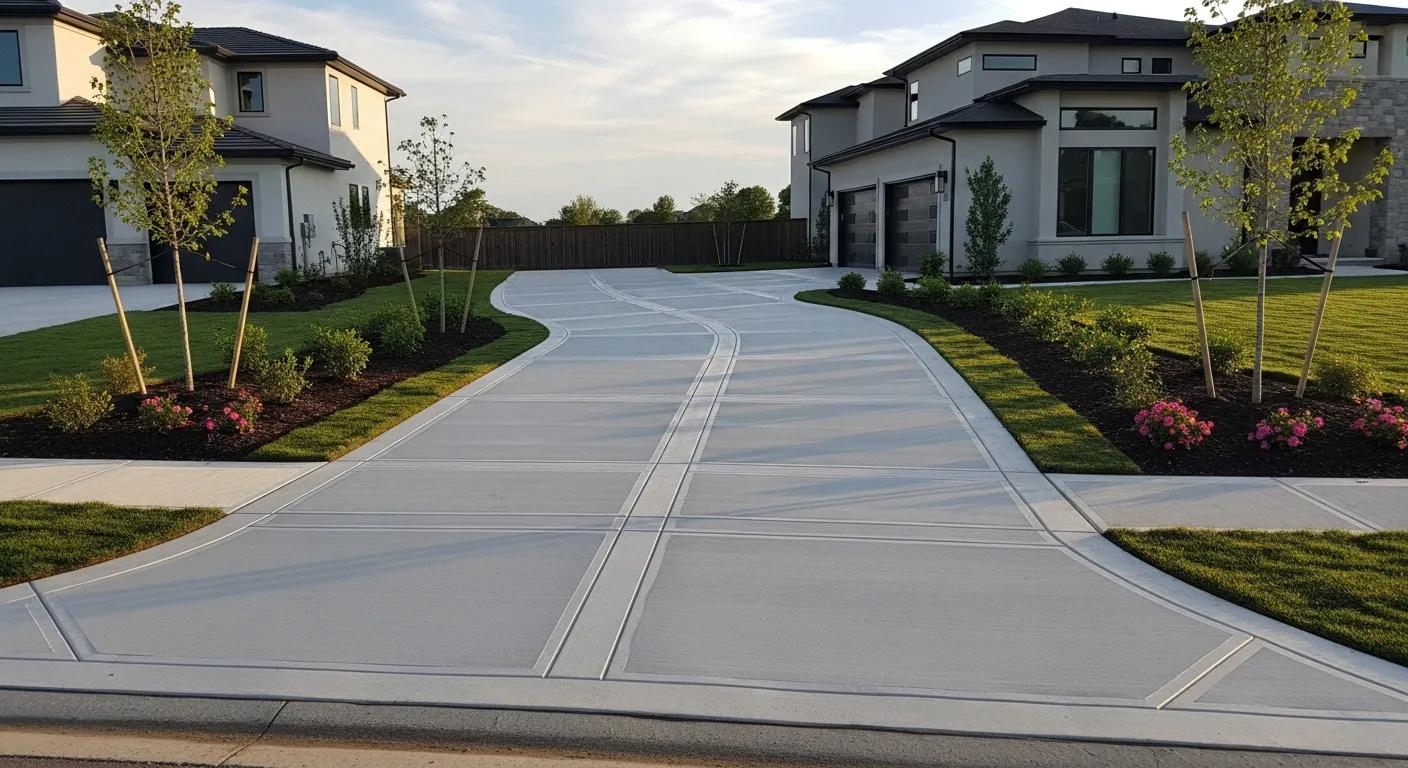
The cost of driveway concrete in the Fraser Coast varies depending on several factors. Homeowners should consider the size of the driveway, the thickness of the concrete, and the complexity of the installation. Generally, driveway concrete is an affordable investment that offers long-lasting value and enhances the curb appeal of your home.
Concrete driveways are known for their durability and low maintenance requirements, making them a cost-effective choice over time. Reinforced concrete driveways, in particular, provide added strength and resistance to cracking, which can reduce repair costs and extend the driveway’s lifespan.
What Factors Influence Driveway Concrete Pricing?
Several key elements influence the pricing of driveway concrete:
- Area and Thickness: Larger driveways or those requiring thicker slabs will incur higher costs due to increased material and labour needs.
- Site Accessibility: Difficult-to-access sites may require additional labour and equipment, increasing overall expenses. For example, narrow driveways or those with steep slopes can add complexity.
- Finish Choice: Decorative finishes, such as stamped or exposed aggregate, can add to the cost but enhance the aesthetic appeal and potentially increase property value.
- Preparation Work: Additional site preparation, such as soil stabilisation or removal of existing surfaces, can affect the total cost.
- Local Market Rates: Prices for materials and labour can vary based on local demand and availability in the Fraser Coast area.
For those looking to invest in quality concrete driveways, McNamara Concrete offers competitive pricing and expert installation services tailored to meet individual needs. Their team can provide detailed quotes and advice on the best options for your specific project.
What Decorative Concrete Finishes Are Popular in Fraser Coast?
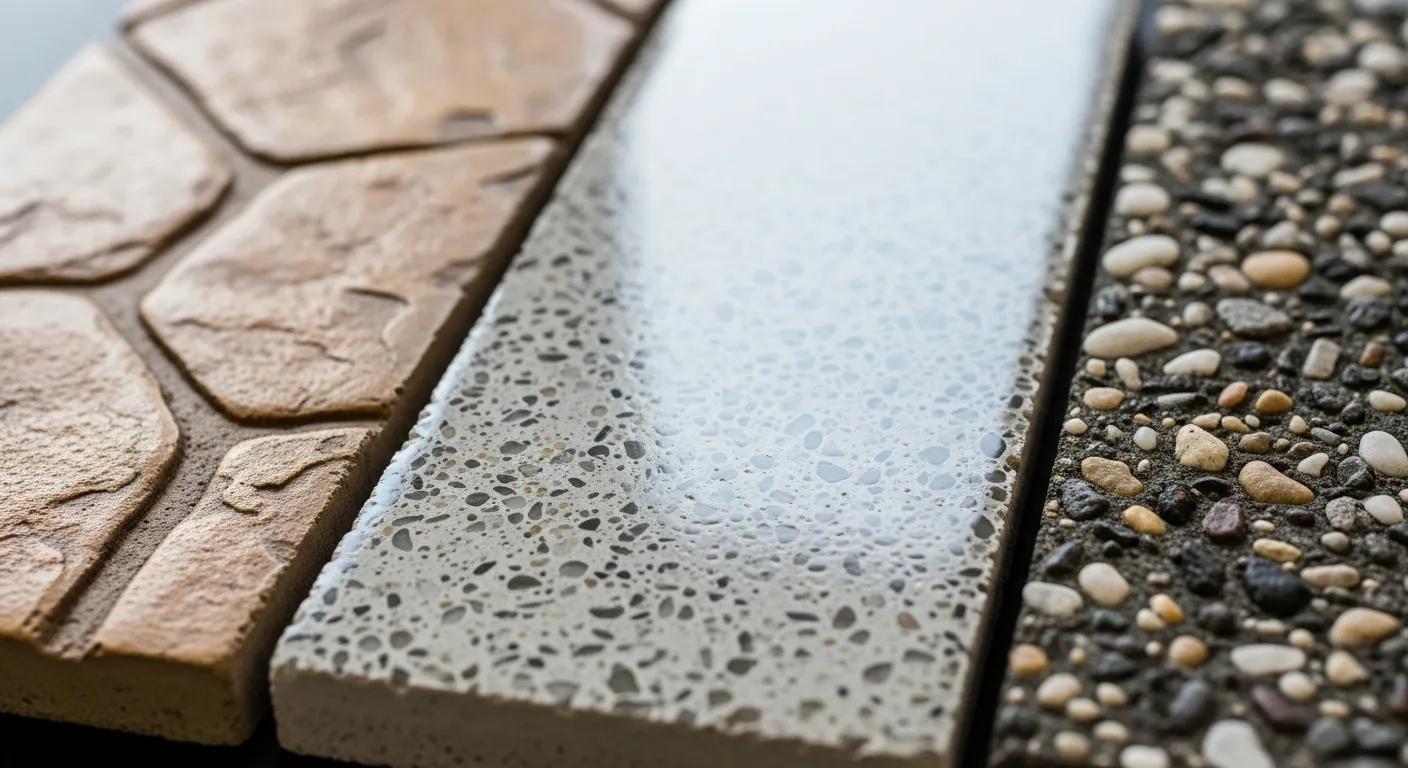
Decorative concrete finishes are an excellent way to enhance the visual appeal of concrete surfaces. In the Fraser Coast, popular options include stamped concrete, polished concrete, and exposed aggregate. Each finish offers unique benefits, such as improved aesthetics and increased durability, making them suitable for various applications, including patios and walkways.
Stamped concrete involves pressing patterns into freshly poured concrete to mimic the appearance of natural materials like stone, brick, or tile. This finish adds texture and character to surfaces, making it a popular choice for driveways, patios, and pool decks.
Polished concrete is achieved by grinding the concrete surface to a smooth, glossy finish. This modern look is highly durable and easy to maintain, making it ideal for both indoor and outdoor spaces. Polished concrete also reflects light, which can brighten areas and create a sense of spaciousness.
Exposed aggregate finish reveals the natural stones within the concrete by removing the top layer of cement paste. This textured surface provides excellent slip resistance and a decorative, natural look that blends well with outdoor environments.
How Do Decorative Finishes Enhance Patio Aesthetics?
Decorative finishes significantly enhance patio aesthetics by providing a range of textures and colours. Stamped concrete can mimic the look of natural stone or brick, while polished concrete offers a sleek, modern appearance. These finishes not only improve visual appeal but also contribute to the longevity of the patio by providing a protective layer against wear and tear. Homeowners can choose from various customisation options to create a unique outdoor space that reflects their style.
Additionally, decorative finishes can be combined with colour stains or dyes to further personalise the patio surface. This allows for creative designs, patterns, and colour schemes that complement the surrounding landscape and architecture. The protective qualities of these finishes also help resist weathering, fading, and staining, which is particularly beneficial in the Fraser Coast’s climate.
By selecting the appropriate decorative finish, homeowners can transform a simple concrete patio into an attractive and functional outdoor living area that enhances their property’s value and enjoyment.
What Are Practical Patio Concrete Ideas for Fraser Coast Homes?
When designing a patio, homeowners in the Fraser Coast can consider several practical concrete ideas. Options include creating multi-level patios, incorporating built-in seating, or using decorative borders to define the space. These designs can enhance functionality and create inviting outdoor areas for relaxation and entertainment.
Multi-level patios add visual interest and help define different zones for dining, lounging, or gardening. They can be designed to follow the natural slope of the land, reducing the need for extensive excavation.
Built-in seating made from concrete provides durable and low-maintenance options for outdoor furniture. These can be integrated with planters or fire pits to create cosy gathering spots.
Decorative borders using contrasting colours, textures, or stamped patterns can frame the patio area and complement landscaping features. Borders also help contain furniture and plants, giving the space a polished look.
Other ideas include incorporating pathways with exposed aggregate finishes, adding pergolas or shade structures supported by concrete bases, and using coloured or stained concrete to match the home’s exterior palette. These elements combine to create a cohesive and functional outdoor living environment tailored to the Fraser Coast lifestyle.
How to Maintain and Repair Concrete Patios in the Fraser Coast Climate?
Maintaining concrete patios in the Fraser Coast climate requires regular upkeep to prevent damage from weather conditions. Key maintenance strategies include:
- Regular Cleaning: Keeping the surface free from debris and stains helps maintain its appearance. Use a broom or leaf blower regularly and wash the patio with mild detergent and water as needed.
- Sealing: Applying a sealant every 2-3 years protects the concrete from moisture and UV damage. Sealants also enhance colour and reduce the risk of staining from spills or organic matter.
- Repair Techniques: Addressing cracks promptly with appropriate fillers can prevent further deterioration. Small cracks can be filled with concrete patching compounds, while larger damage may require professional assessment.
- Preventative Measures: Avoid using harsh chemicals or de-icing salts that can damage the concrete surface. Use furniture pads to prevent scratching and avoid heavy impacts.
By following these maintenance tips, homeowners can ensure their patios remain in excellent condition for years to come. Regular inspection and timely repairs will extend the life of the concrete and preserve its aesthetic appeal despite the challenges posed by the Fraser Coast’s weather patterns.