


Concrete Driveway Construction in Fraser Coast: Essential Base Preparation and Drainage Tips to Reduce Maintenance
Constructing a durable concrete driveway in the Fraser Coast region requires careful attention to base preparation and drainage solutions. Homeowners and builders alike can benefit from understanding the essential techniques that ensure longevity and reduce maintenance needs. This guide will delve into the critical aspects of base preparation and drainage, providing actionable tips to create a resilient driveway. Many individuals face challenges with driveway maintenance due to improper installation or inadequate drainage systems. By implementing the right strategies, these issues can be mitigated effectively. We will explore the key steps in preparing a concrete driveway base, the best drainage solutions, and maintenance practices that extend the life of concrete driveways.
How Do Proper Base Preparation Techniques Ensure Durable Concrete Driveways?
Proper base preparation is crucial for the durability of concrete driveways. It involves several steps that ensure the driveway can withstand the weight of vehicles and resist cracking over time. A well-prepared base provides stability and prevents water accumulation, which can lead to damage. The benefits of effective base preparation include enhanced longevity, reduced maintenance costs, and improved overall performance of the driveway. Understanding these techniques is essential for anyone looking to invest in a concrete driveway.
Base preparation is not merely about laying down materials; it is a comprehensive process that addresses the underlying soil conditions, drainage, and structural support. Without a solid foundation, even the highest quality concrete can fail prematurely. The base acts as a buffer, absorbing stresses from traffic loads and environmental changes such as freeze-thaw cycles or heavy rainfall. Additionally, a properly prepared base minimises the risk of uneven settling, which can cause cracks and surface irregularities. Therefore, investing time and resources into thorough base preparation is a key factor in achieving a driveway that remains functional and visually appealing for decades.
What Are the Key Steps in Preparing a Concrete Driveway Base?
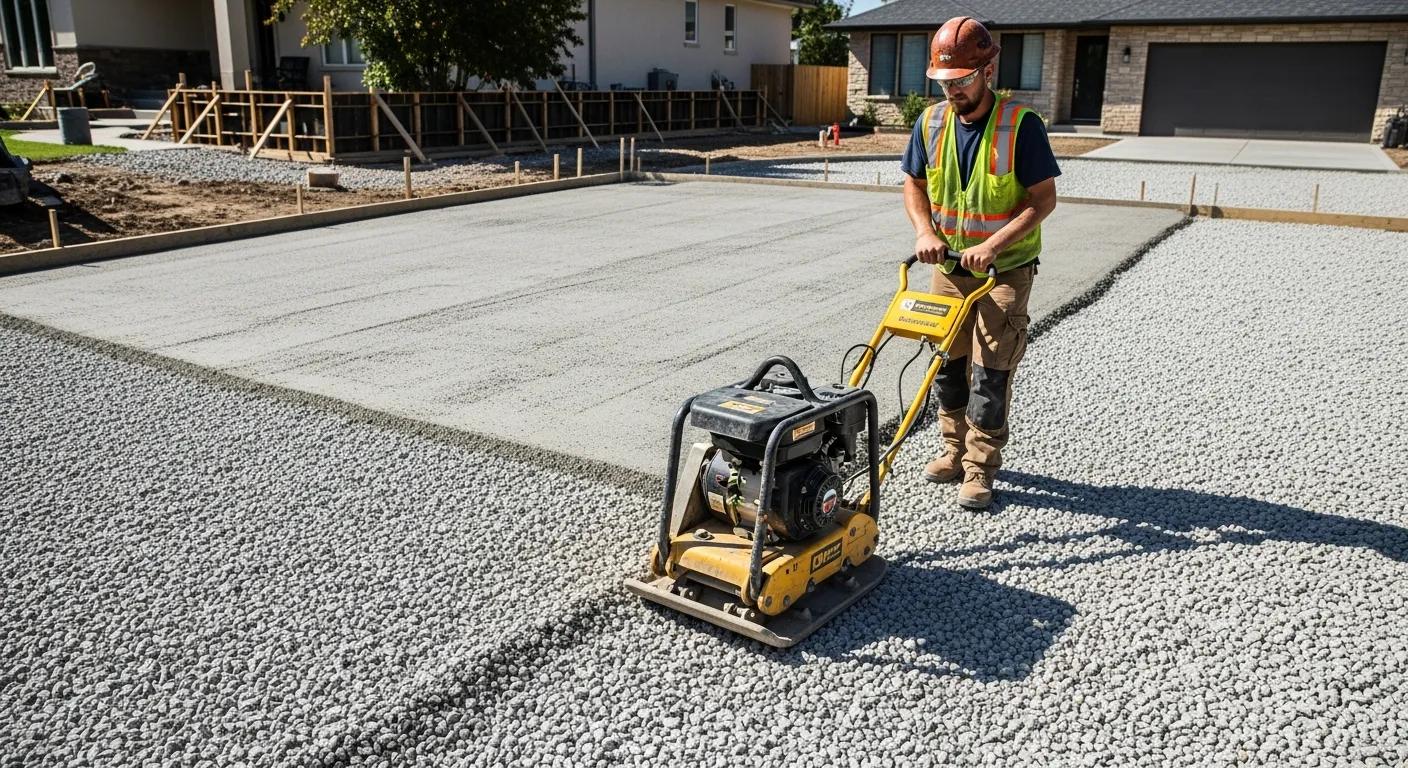
Preparing a concrete driveway base involves several key steps:
- Excavation: Remove any existing materials and excavate to the correct depth, typically 6-8 inches, depending on the soil type and expected load. This step ensures that the base is free from organic matter and unstable soil that could compromise the driveway’s integrity.
- Soil Compaction: Compact the soil to create a stable foundation, which helps prevent settling and cracking. Proper compaction increases soil density and strength, reducing the likelihood of future movement under the driveway.
- Formwork Installation: Set up formwork to shape the driveway and contain the concrete during pouring. Accurate formwork ensures the driveway has clean edges and the desired dimensions, contributing to both aesthetics and structural soundness.
Each of these steps requires attention to detail and the use of appropriate equipment to achieve the best results. For example, using a mechanical compactor during soil compaction can significantly improve the base’s stability compared to manual methods. Additionally, ensuring the excavation depth is consistent across the entire driveway area prevents weak spots that could lead to premature failure.
Which Materials and Tools Are Recommended for Effective Base Preparation?
For effective base preparation, specific materials and tools are essential:
- Compacted Aggregate: Use crushed stone or gravel as a base material to provide drainage and stability. The aggregate layer acts as a drainage medium, preventing water from pooling beneath the concrete and reducing hydrostatic pressure.
- Mechanical Breaking Tools: Tools like jackhammers or excavators can help remove old concrete or hard soil. These tools facilitate efficient site preparation, especially when dealing with challenging ground conditions.
- Formwork Materials: Wooden or metal forms are necessary to shape the driveway and hold the concrete in place. Durable formwork materials ensure the concrete sets correctly and maintains its intended shape.
Utilising the right materials and tools can significantly enhance the quality of the driveway installation. For instance, selecting the appropriate size and type of aggregate can improve load distribution and drainage, while high-quality formwork materials reduce the risk of deformation during the concrete pour. Additionally, investing in reliable mechanical tools can speed up the preparation process and improve precision.
What Drainage Solutions Best Protect Fraser Coast Driveways from Water Damage?
Effective drainage solutions are critical in protecting concrete driveways from water damage. Poor drainage can lead to water pooling, which increases the risk of cracks and surface deterioration. Implementing proper drainage techniques not only extends the life of the driveway but also minimises maintenance needs. Homeowners should consider various drainage options to ensure their driveways remain in optimal condition.
Water is one of the most damaging elements to concrete driveways, especially in regions like Fraser Coast, where heavy rainfall is common. Without adequate drainage, water can infiltrate the base and subgrade layers, weakening the foundation and causing erosion or frost heave. Over time, this leads to surface cracking, spalling, and uneven settling. Therefore, integrating effective drainage systems during construction is essential to divert water away from the driveway and maintain its structural integrity.
How Does Local Climate Influence Driveway Drainage Design in Fraser Coast?
The local climate plays a significant role in designing effective driveway drainage systems. Factors to consider include:
- Humidity Effects: High humidity can lead to increased moisture retention in the soil, necessitating better drainage solutions. Persistent moisture can soften the soil and reduce its load-bearing capacity.
- Rainfall Considerations: The Fraser Coast experiences high annual rainfall, making it essential to design drainage systems that can handle heavy downpours. Systems must be capable of quickly channelling large volumes of water away from the driveway surface and base.
- UV Exposure: Prolonged sun exposure can affect the materials used in drainage systems, requiring durable options. UV-resistant materials help maintain the functionality and appearance of drainage components over time.
Understanding these climate factors helps in designing a driveway that can withstand local weather conditions. For example, incorporating sloped surfaces and strategically placed drains can prevent water accumulation during heavy rains. Additionally, selecting materials that resist degradation from UV rays and moisture ensures the drainage system remains effective year-round.
Which Sustainable Drainage Systems Reduce Maintenance Needs?
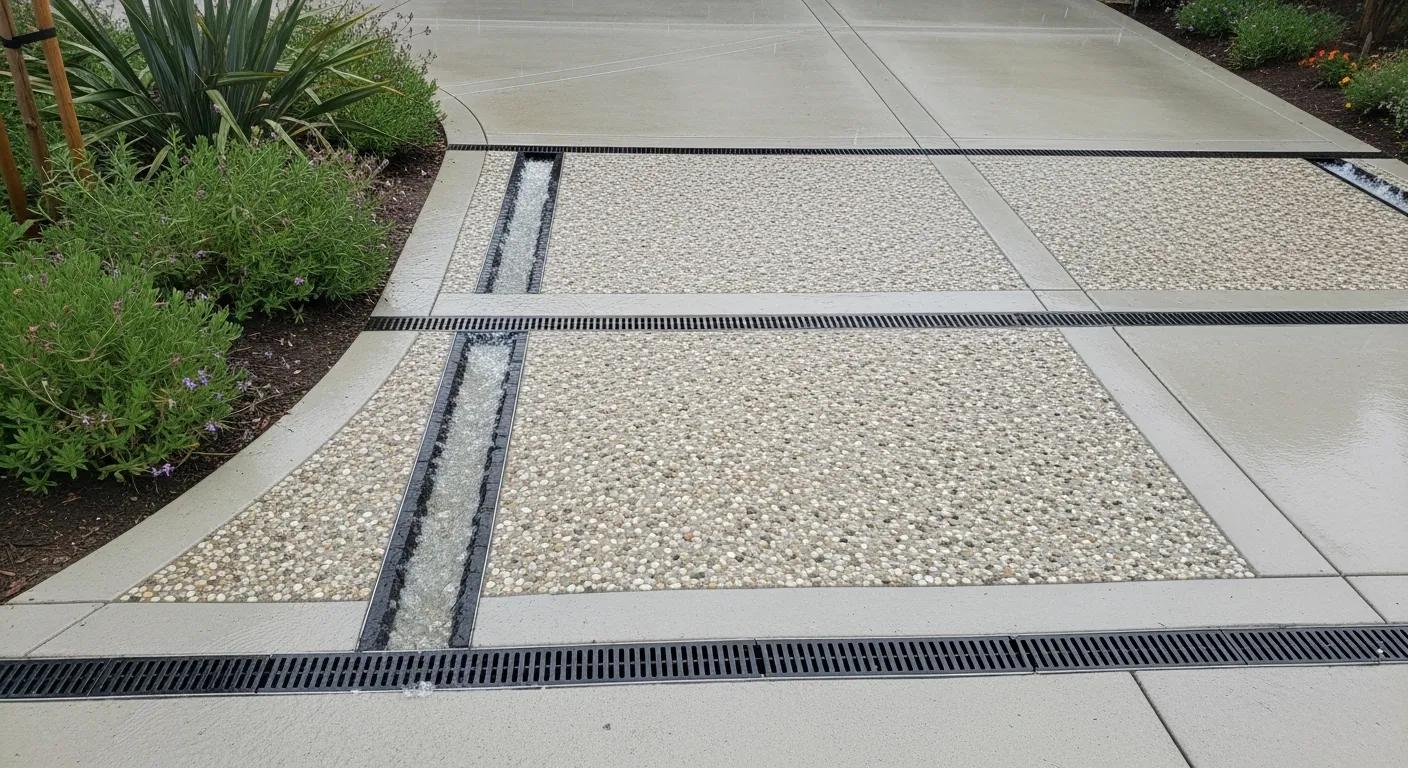
Sustainable drainage systems offer eco-friendly solutions that can significantly reduce maintenance needs. Some effective options include:
- Permeable Paving: Allows water to seep through the surface, reducing runoff and promoting groundwater recharge. This method decreases the volume of water that needs to be managed by traditional drainage systems and helps prevent erosion.
- Channel Drains: Installed at the edges of driveways to direct water away from the surface, preventing pooling. These drains are effective in managing surface water and can be integrated seamlessly into the driveway design.
- Eco-Friendly Materials: Using recycled materials in drainage systems can enhance sustainability while providing effective solutions. Materials such as recycled concrete aggregate or plastic drainage cells reduce environmental impact and often offer cost benefits.
These systems not only protect the driveway but also contribute positively to the environment. By reducing stormwater runoff and promoting natural water infiltration, sustainable drainage solutions help maintain local ecosystems and reduce the burden on municipal drainage infrastructure. Additionally, they often require less frequent maintenance compared to conventional drainage methods, saving time and money for homeowners.
How Can Homeowners and Builders Achieve Low-Maintenance Concrete Driveways?
Achieving a low-maintenance concrete driveway involves implementing best practices during installation and upkeep. Homeowners and builders can take several steps to ensure their driveways remain in excellent condition with minimal effort. By focusing on quality and proper techniques, the longevity of the driveway can be significantly enhanced.
Understanding the structural integrity and potential environmental impacts on reinforced concrete driveways is crucial for long-term durability and effective maintenance planning. Factors such as load stresses, temperature fluctuations, and exposure to chemicals or salts must be considered to select appropriate concrete mixes and reinforcement methods. Additionally, proactive maintenance can prevent minor issues from escalating into costly repairs.
What Maintenance Practices Extend the Life of Concrete Driveways?
To extend the life of concrete driveways, consider the following maintenance practices:
- Regular Cleaning: Remove debris and dirt to prevent staining and surface damage. Using a pressure washer or broom regularly helps maintain the driveway’s appearance and prevents the buildup of harmful substances.
- Timely Sealing: Apply a sealant every few years to protect against moisture and UV damage. Sealants create a protective barrier that reduces water penetration and prevents surface wear caused by sun exposure.
- Crack Repair: Address any cracks promptly to prevent them from expanding and causing further damage. Using appropriate fillers or patching compounds can restore the surface and maintain structural integrity.
Implementing these practices can help maintain the driveway’s appearance and functionality over time. Additionally, scheduling periodic inspections allows for early detection of potential problems, enabling timely interventions that extend the driveway’s lifespan and reduce overall maintenance costs.
Can DIY Base Preparation Complement Professional Installation?
DIY base preparation can be a valuable complement to professional installation. Homeowners can take on certain tasks to enhance the overall quality of the driveway. Key benefits of DIY preparation include:
- Ground Preparation Importance: Properly preparing the ground can lead to better results and reduce the workload for professionals. Tasks such as clearing vegetation, marking boundaries, and initial excavation can be managed by homeowners with the right guidance.
- Preventing Future Issues: Addressing potential problems early can save time and money in the long run. For example, identifying and removing unstable soil or debris before professionals arrive helps ensure a stable base.
- Collaboration with Professionals: Working alongside professionals can ensure that the installation meets high standards while allowing homeowners to contribute. This collaboration fosters better communication and understanding of the construction process.
By engaging in DIY efforts, homeowners can play an active role in the construction of their driveways, leading to better outcomes. It also provides a sense of accomplishment and can reduce overall project costs. However, it is important to recognise the limits of DIY work and rely on professional expertise for critical tasks such as concrete pouring and finishing.
For those seeking professional assistance, McNamara Concrete offers expert services in driveway construction and maintenance, providing quality workmanship and durable solutions tailored to your needs.