
Coloured Concrete Hervey Bay: Integral Colour vs Hardener vs Stain and How to Choose for Coastal QLD (2026)
Coloured Concrete in Hervey Bay 2026: Choosing Integral Colour, Hardener, or Stain for Coastal Queensland Homes
By Natasha Mcnamara, McNamara Concrete
Choosing the right concrete finish for coastal Queensland homes is crucial for both aesthetic appeal and durability. For homeowners in Hervey Bay, coloured concrete presents an ideal solution, blending functionality with style. This guide explores various coloured concrete options, such as integral colour, hardeners, and stains, designed specifically for coastal environments. Homeowners often face challenges related to salt exposure and UV damage, which can affect the longevity and beauty of concrete surfaces. By understanding the benefits and uses of each concrete treatment, residents can make decisions that enhance their outdoor spaces.
This article looks at integral colour concrete, hardeners, and stains, explaining how each performs in coastal conditions. We’ll discuss the benefits of integral colours, how hardeners improve strength, and which stains work best for seaside homes. Mcnamara Concrete offers expert advice and services tailored to these needs.
Integral Colour
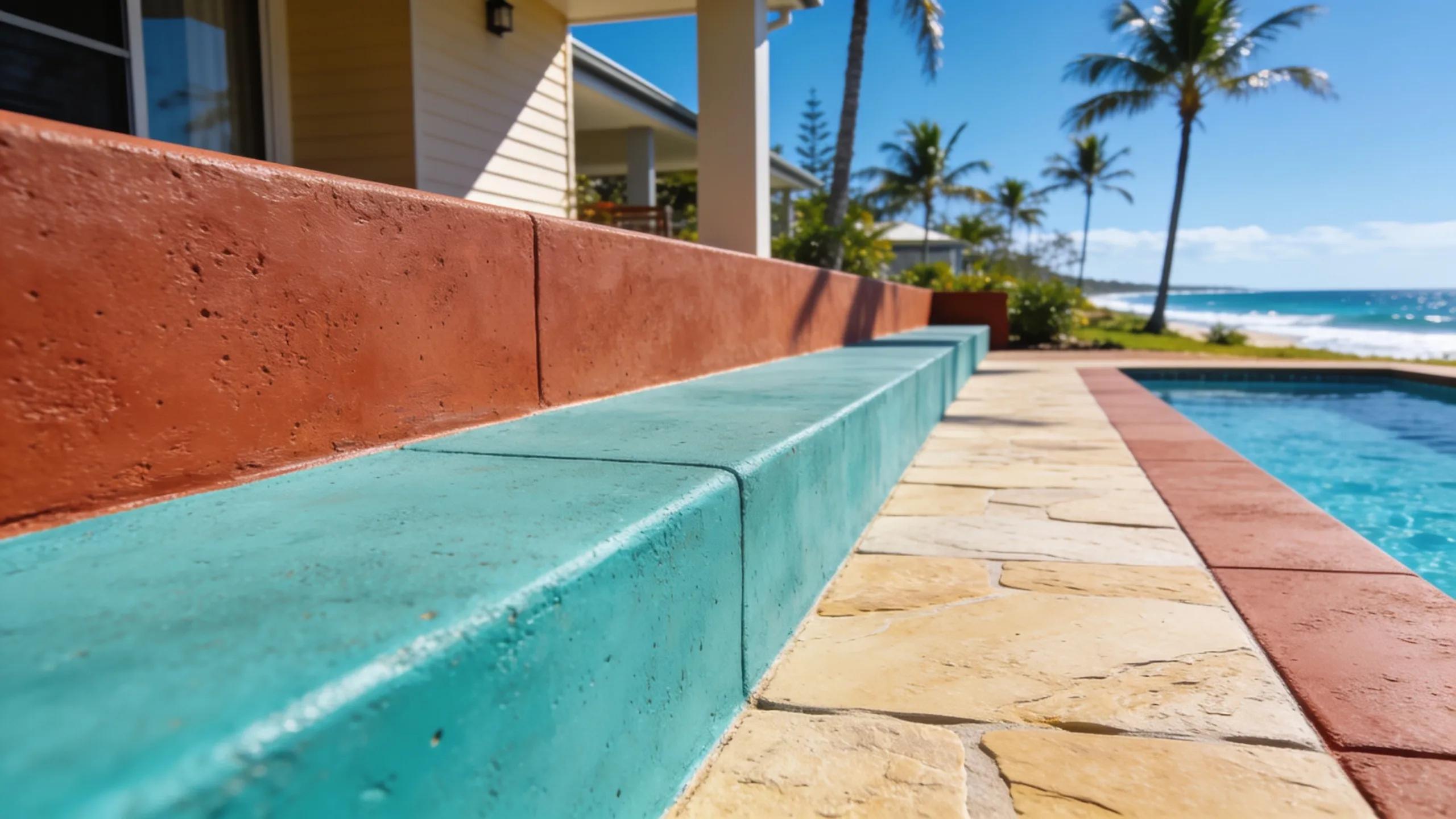
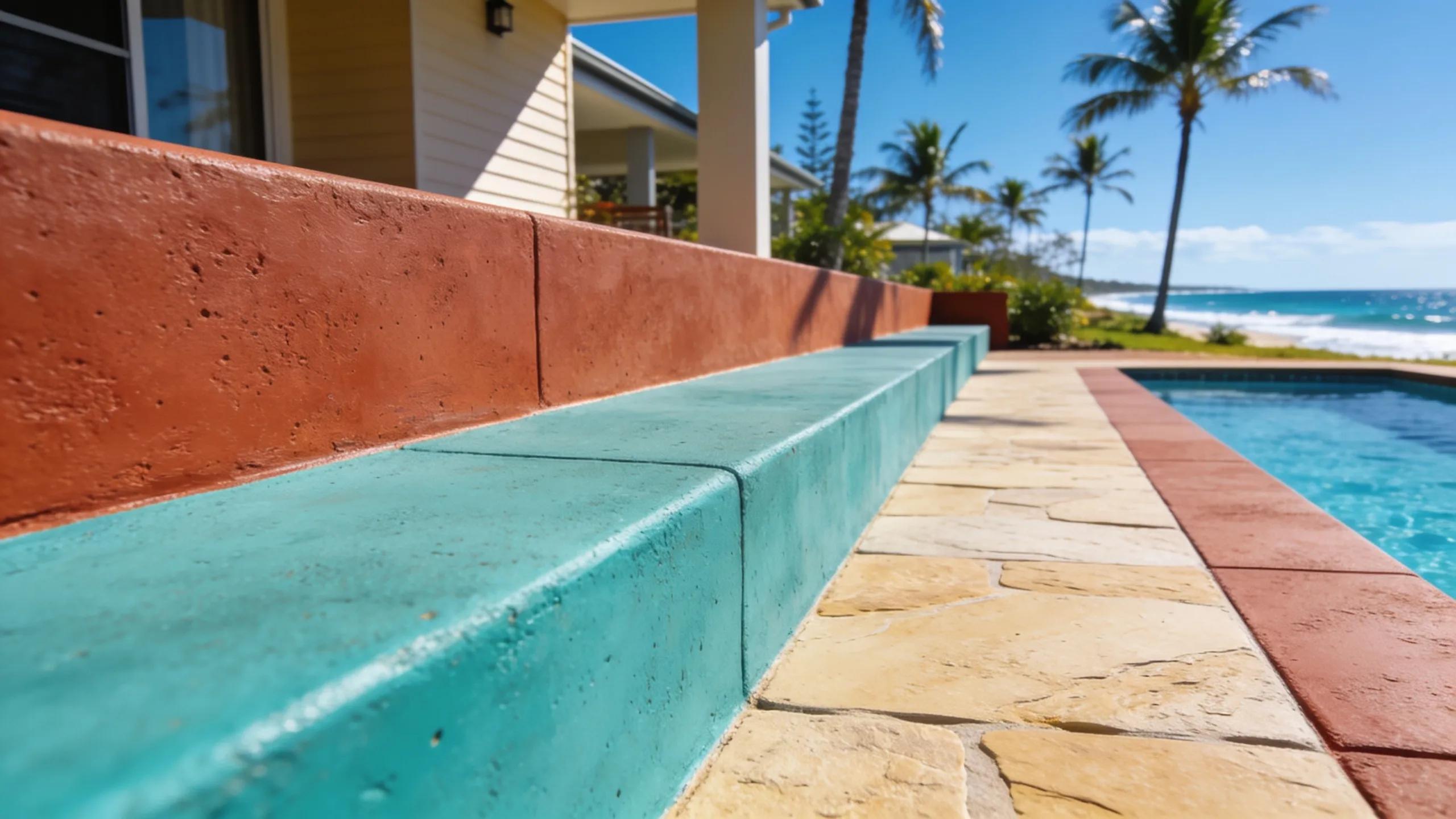
Integral colour concrete is popular because it provides consistent, long-lasting colour throughout the mix. It involves adding pigments directly to the concrete before it sets, resulting in uniform colour that won’t fade or chip away easily. Integral colour can enhance the look of driveways, patios, and pool surrounds seamlessly.
It’s especially suitable for coastal homes since the colour is embedded within the concrete, giving better protection against UV damage and salt exposure than surface-applied options. This integration helps keep surfaces looking good and lasting longer, making it a great choice for coastal Queensland homes.
Key Benefits of Integral Colour Concrete for Coastal Hervey Bay Properties
- Durability: Enhances the lifespan of concrete surfaces by resisting fading and wear from UV rays and coastal elements.
- Aesthetic Versatility: Offers a range of colours to match your home’s style and outdoor areas.
- Low Maintenance: Unlike surface treatments, integral colours don’t usually need frequent touch-ups, saving time and effort.
How Integral Colour Helps With UV and Salt Exposure
Because the colour is mixed in with the concrete, pigments are well protected against sunlight and salt, common challenges in coastal areas like Hervey Bay. This means your concrete keeps its look and function for longer, resisting the typical wear coastal environments bring.
Ideal Projects for Integral Colour Concrete in Coastal Queensland
- Driveways: Durable and visually appealing with consistent colour that handles vehicle traffic.
- Patios: Creates vibrant, lasting outdoor living spaces that stand up to the elements.
- Pool Surrounds: Provides a safe, non-slip, and attractive surface around pools.
HARDENER
Concrete hardeners boost the strength and durability of concrete surfaces. Applied after the concrete cures, they form a tough layer that helps resist wear and environmental damage. Some hardeners are formulated specifically for coastal climates.
Hardeners increase the surface density of concrete, making it less likely to crack and better able to cope with moisture and salt — issues common by the sea. Using a hardener can extend the life of your concrete surfaces, making them more resilient in Hervey Bay. Mcnamara Concrete can provide professional applications to ensure the best outcomes.
How Hardeners Strengthen Concrete in Coastal Areas
Hardeners penetrate and chemically react with the concrete surface to create a denser, more resilient finish. This boosts resistance to mechanical wear and protects against damage from salt and moisture in coastal settings.
Types of Concrete Hardeners Best for Hervey Bay’s Climate
- Silicate-based Hardeners: Penetrate deeply to create a dust-resistant, durable surface.
- Acrylic Coatings: Provide water resistance with some flexibility and enhance the look of concrete.
- Polymer-based Hardeners: Offer strong abrasion resistance and seal out coastal environmental factors.
Stain
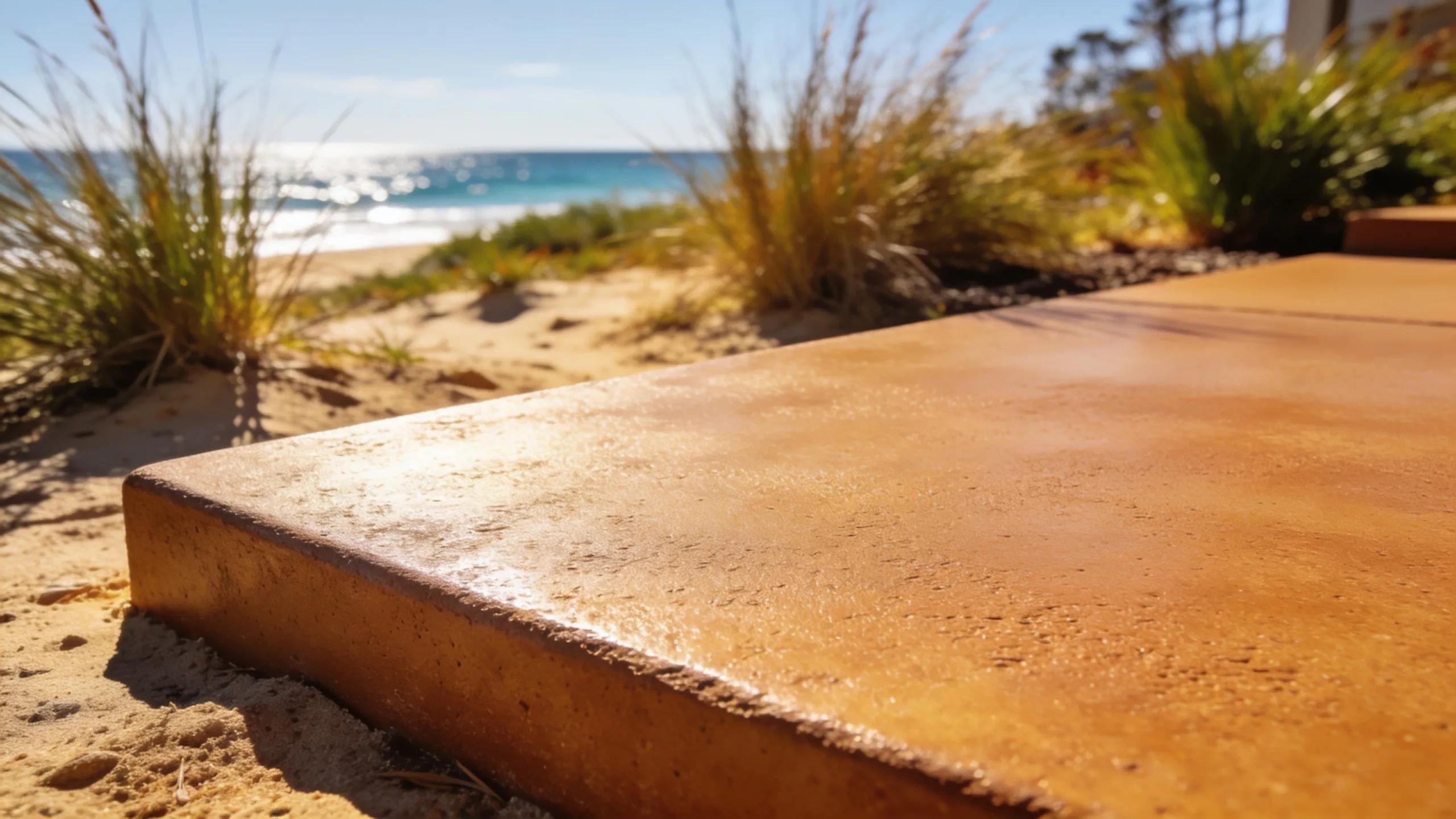
Concrete stains add colour and texture to concrete surfaces. They come mainly in two types: acid stains and water-based stains, each with benefits for coastal homes. Acid stains penetrate the surface giving rich, varied tones, while water-based stains offer uniform colour and a wider palette.
Stains can refresh older concrete, making it look vibrant again. Choosing stains suited to coastal climates helps ensure colours hold up well against strong sunlight and moisture common in Hervey Bay.
Best Concrete Stains for Seaside Homes in Queensland
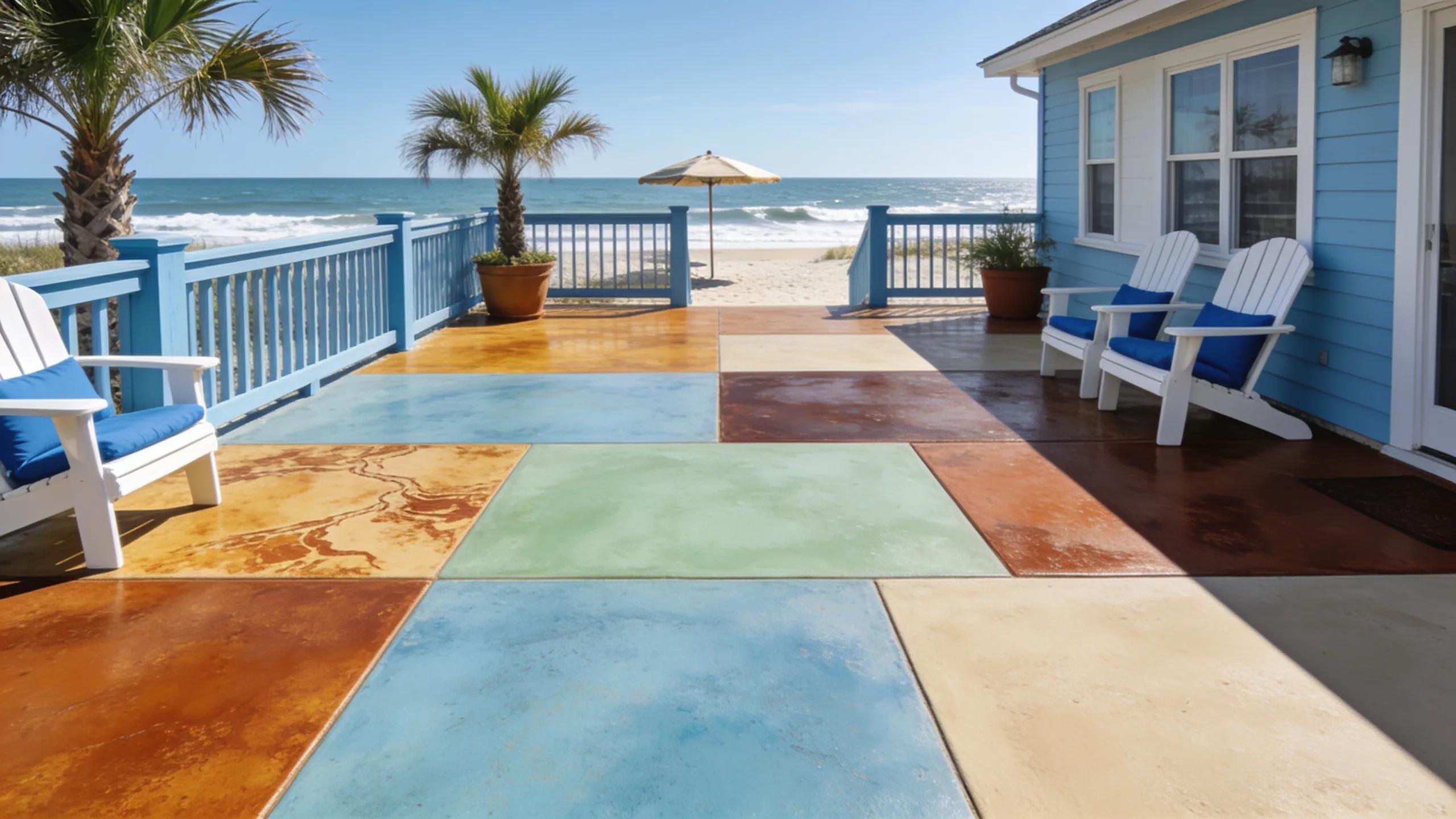
- Acid Stain: Creates natural stone effects with rich colours; ideal for new or well-cured concrete.
- Water-Based Stain: Offers a wide range of shades, suitable for new and existing surfaces, and is environmentally friendlier.
- Eco-friendly Stains: Designed to reduce environmental impact while providing lasting colour and protection.
Application Tips for Long-Lasting Concrete Stains
- Surface Preparation: Clean surfaces well to remove dirt, grease, or old coatings for better stain adhesion.
- Test Colour: Try staining a small area first to check if the shade suits your expectations.
- Sealing: After staining, apply a suitable sealer to protect against moisture and wear, especially outdoors.
Maintenance for Stained Concrete in Coastal Areas
Keeping stained concrete looking great involves regular care:
- Cleaning: Periodic washing to remove dirt and prevent discolouration.
- Resealing: Generally recommended every 1 to 2 years, depending on exposure, to maintain colour and protection.
Choosing the Right Concrete Colour for Coastal Hervey Bay Homes
Picking the right colour means balancing style with practical needs. Choose colours that complement your home and environment, while standing up to fading and wear from sun and salt. Lighter colours reflect heat better, which may help keep surfaces cooler, whereas darker ones absorb more heat, so consider your local climate and preferences.
Factors To Consider for Colour Selection in Coastal Areas
Keep in mind these when selecting colours for coastal concrete:
- Environmental Exposure: Choose colours resistant to strong UV and salty air fading.
- Heat Reflection or Absorption: Decide if you want surfaces that stay cooler or warmer.
- Aesthetic Fit: Select colours that match your home design and landscape while ensuring clear visibility and safety.
Comparing Integral Colour, Hardeners, and Stains in Look and Protection
Here’s how these options compare when it comes to appearance and protection:
| Application Method | Aesthetic Features | Protective Qualities |
|---|---|---|
| Integral Colour | Uniform colour throughout, available in many hues | Strong resistance to UV, fades less |
| Concrete Hardener | Deepens existing colour | Strengthens surface, guards against abrasion |
| Concrete Stain | Varied colour patterns, customisable shade | Adds protective layer; sealing needed to maintain |
This can help you decide which method suits your style and durability needs for Queensland coastal homes.
Maintaining Coloured Concrete in Queensland’s Climate
Good maintenance tailored for coastal conditions can keep coloured concrete looking great for years. Consider these tips:
- Regular Cleaning: Use gentle cleaners that won’t harm the surface.
- Resealing: Generally done every 1 to 2 years to guard against wear and moisture.
- Prompt Repairs: Fix cracks or damage quickly to stop further problems.
Best Cleaning and Sealing Practices for Coastal Concrete
To preserve your coloured concrete finish:
- Cleaning: Soft brushes or low-pressure washers are ideal to avoid damage.
- Sealing: Use sealants with UV and moisture protection, applied in dry weather for best results.
Monitoring and Repairing Concrete Weathering in Hervey Bay
Keeping an eye on the condition of your concrete helps catch issues early. Tips include:
- Visual Checks: Look for peeling, cracks or discolouration.
- Water Droplet Test: Check if water beads on the surface—if not, a reseal might be needed.
- Repair Methods: Use suitable patching or resurfacing products to maintain the surface.